
Accurate measurement, dependable inspection and reliable control systems are essential to safe and efficient industrial operation. At Akwaflow, we approach testing, inspection and instrumentation from first principles, using the physics of waves, pressure, flow, temperature, electrical response and system dynamics to deliver trustworthy data and stronger asset integrity.
Modern industrial facilities depend on timely information. Pressures, temperatures, flow rates, compositions and equipment conditions must be measured accurately if operators are to keep systems within safe limits. Inspection and testing make the hidden condition of assets visible, while instrumentation provides the continuous feedback needed for control, reliability and quality.
A first-principles view begins with a simple question: what physical quantity are we trying to observe, and what mechanism allows us to measure it reliably? From there, the right test method, sensor, calibration approach and maintenance strategy can be selected with confidence.
This disciplined approach allows Akwaflow to support asset integrity, process stability, product quality and safe plant operation across energy, water and industrial infrastructure environments.
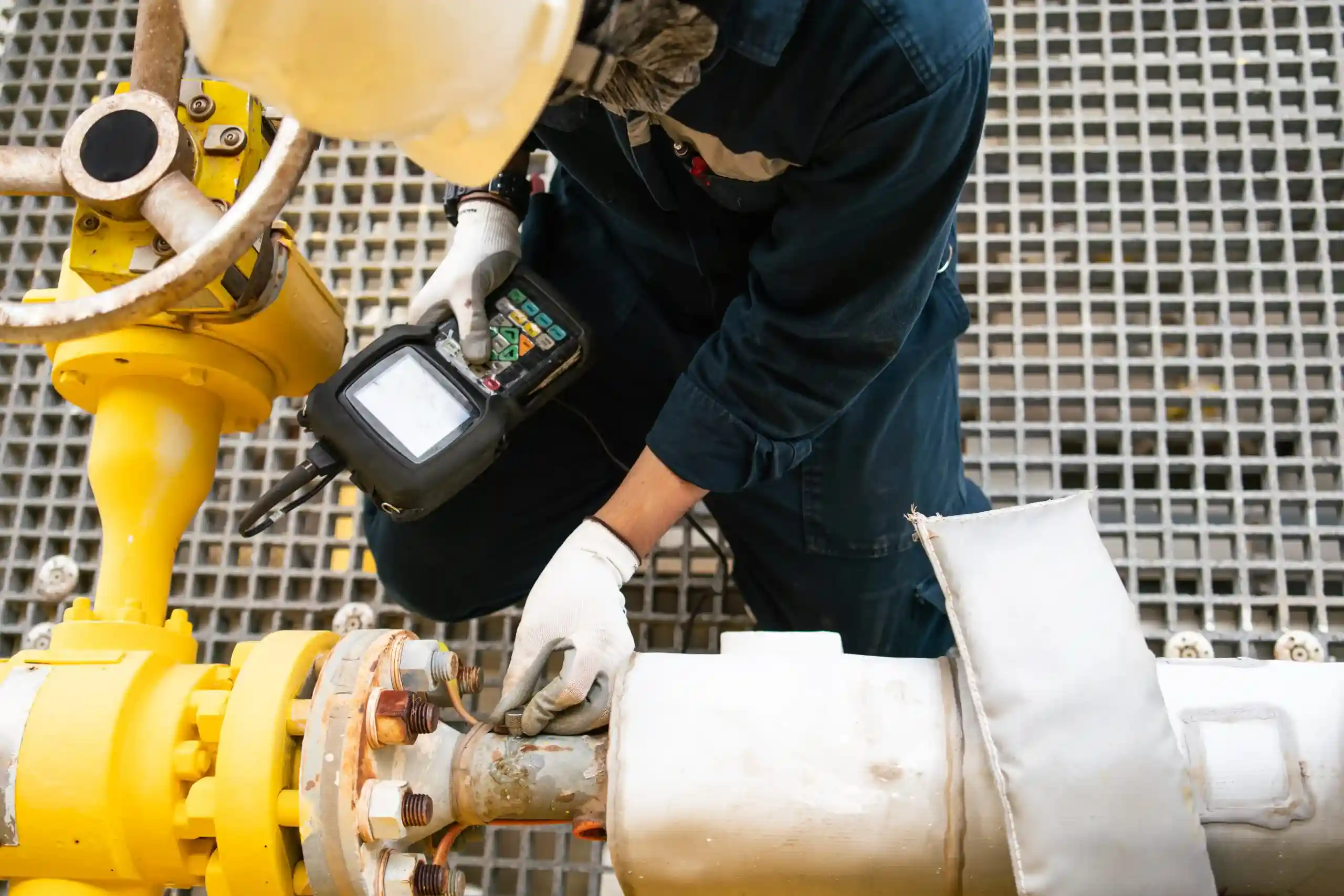
We follow a structured process that begins with technical scope definition, proceeds through data acquisition and calibration, and ends with integrity insights, recommendations and operational assurance.
Non-destructive testing is fundamentally about gathering information without impairing the usefulness of the component being inspected. The aim is to detect cracks, corrosion, thinning, weld defects, inclusions, leaks or structural anomalies while leaving the asset fit for service.
Each NDT method responds to a different physical phenomenon. Some rely on sound-wave reflection, some on electromagnetic behavior, some on radiation attenuation, and others on capillary action or magnetic flux leakage. Because no single technique reveals everything, Akwaflow often combines methods to achieve a more complete understanding of asset condition.
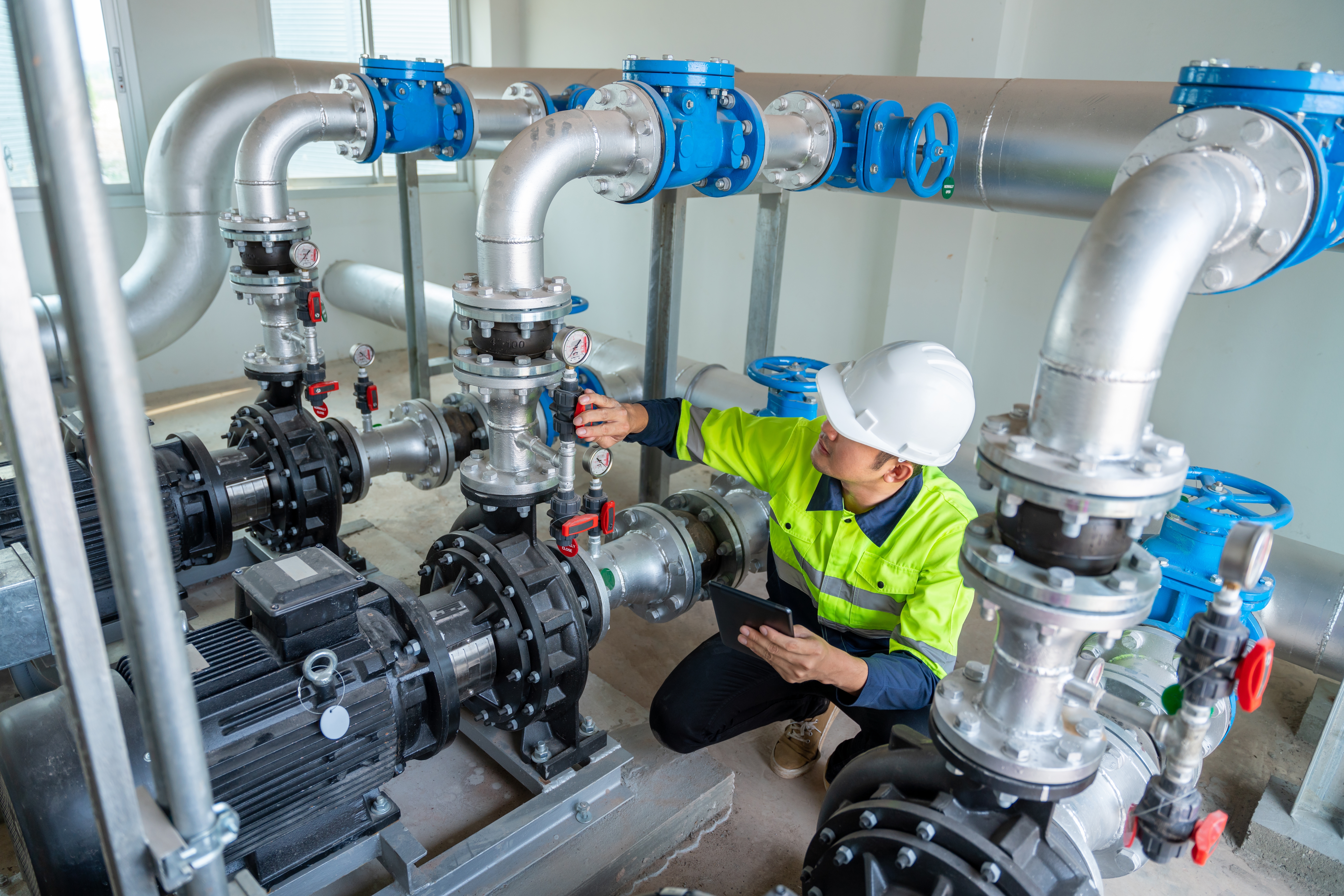
Akwaflow selects inspection methods based on defect type, access conditions, material, geometry, consequence of failure and the quality of information needed for engineering decisions.
Direct or remote visual examination used to identify visible surface defects, corrosion, distortion, leaks, missing parts and general condition changes.
High-frequency sound waves are used to detect internal flaws, wall-loss, thickness variation and structural discontinuities without damaging the component.
X-rays or gamma rays create internal images of welds and components, helping reveal porosity, inclusions and hidden defects.
Surface and near-surface inspection techniques used to reveal cracking and discontinuities in ferromagnetic and non-porous materials.
Electromagnetic methods used on conductive materials to detect cracks, thinning, corrosion and changes in material properties.
Methods used to confirm containment integrity in vessels, lines and systems where safe pressure retention is essential.
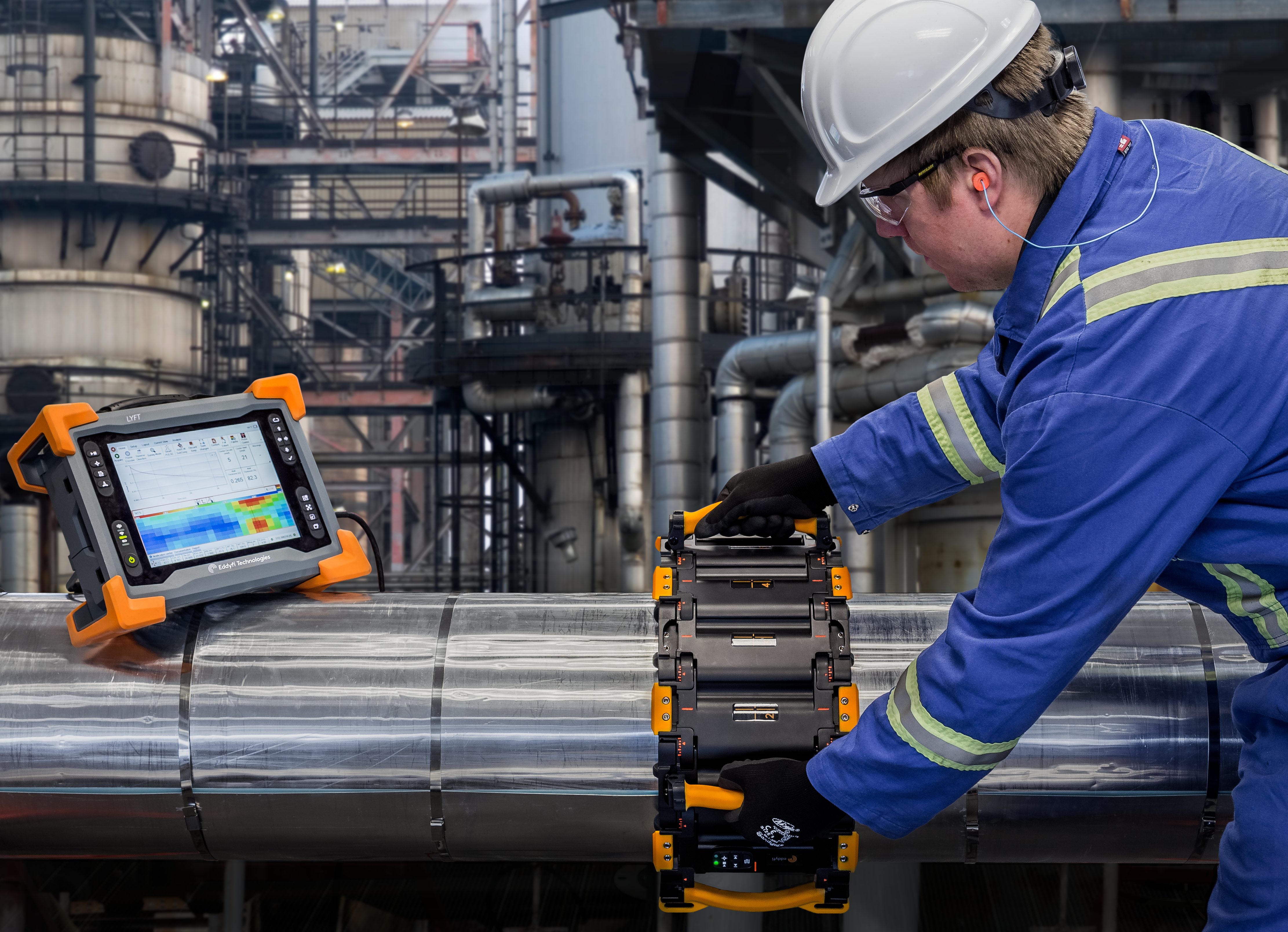
An instrumentation and control system links sensors, cabling, signal conditioning, controllers and logic systems into one operational network. When these elements work in harmony, the plant receives stable, trustworthy feedback. When they drift or fail, operators lose visibility and process risks increase.
Reliability-centered maintenance helps focus effort where it matters most. Instead of treating every instrument equally, the system is reviewed according to function, consequence of failure, drift history, maintenance demand and criticality to safety, environment or production.
Calibration remains a core discipline because instruments drift over time. A good calibration programme includes traceable standards, documented procedures, interval planning, performance history and proper record keeping so test and measurement data can be trusted.
Good instrumentation design starts with the physics of the variable being measured. Pressure, temperature, flow and composition each obey different laws and demand different sensor technologies. Differential-pressure transmitters infer flow from pressure drop, thermocouples generate voltage through temperature difference, and Coriolis meters respond to fluid inertia.
From there, design must consider response time, range, repeatability, noise, environmental interference, process dynamics and the control objective itself. Signal conditioning, filtering, compensation and controller logic are not afterthoughts, they are essential to ensuring the measured value is useful for real-time decision-making.
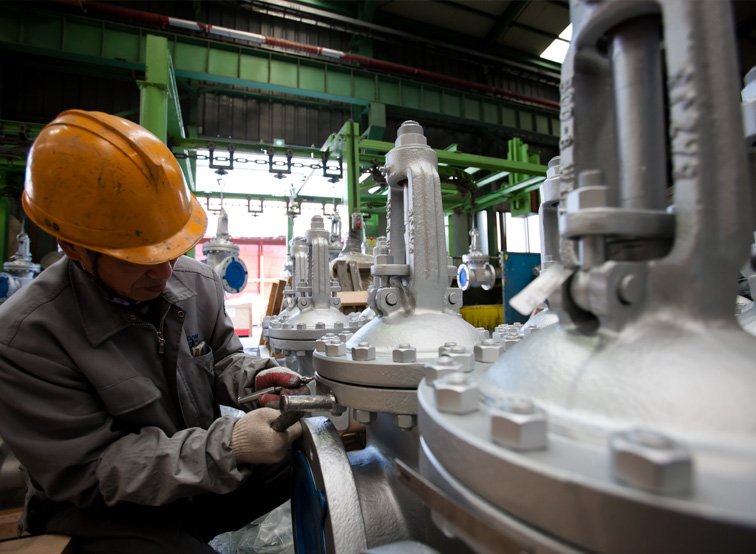
Testing and instrumentation are only valuable when the resulting data can be trusted. That is why Akwaflow emphasizes strong QA/QC, calibration control, procedure discipline and correction of deficiencies in a safe and timely manner.
In high-consequence industries, this also supports mechanical integrity programmes, audit readiness, maintenance planning and confidence in shutdown, alarm and safety-instrumented functions.
Digital tools are expanding what testing and instrumentation can achieve. Remote visual inspection systems, drones, crawler robots, smart sensors and connected analytics platforms are making inspections faster, safer and more data-rich. Automated ultrasonic scanning, digital radiography and embedded diagnostics improve resolution, traceability and speed of decision-making.
These technologies do not replace engineering judgment. Instead, they strengthen first-principles thinking by giving engineers better evidence, deeper visibility and stronger predictive capability for maintenance and integrity management.
For Nigeria and West Africa, this is especially important as aging energy infrastructure, expanding gas networks and growing industrial demand require more reliable local inspection, calibration and measurement capability.

Our testing, inspection and instrumentation solutions support industrial environments where accurate data, asset integrity, process stability and safe operation are non-negotiable.
 Oil & Gas Assets
 Power & Utilities
Water Treatment Systems
Power & Utilities
Water Treatment Systems
 Processing Facilities
Akwaflow provides engineering-led inspection, calibration and instrumentation solutions that improve asset visibility, strengthen reliability and support safer, more efficient industrial operations.