
Hydrocarbon products power transport, industry, homes and infrastructure, but they also carry significant safety, quality and environmental responsibilities. At Akwaflow, we apply first-principles engineering to storage, handling, transport, testing and distribution so every stage of the value chain is managed with care, compliance and operational discipline.
Hydrocarbon handling begins with understanding the products themselves. Crude oils vary by viscosity, sulfur content and composition, while refined products such as PMS, AGO, DPK, LPG and lubricants each behave differently in storage, transfer and use. Their volatility, flash point, flow behavior, contamination sensitivity and end-user applications all influence how they should be managed.
A first-principles approach means identifying the core physical and chemical properties of each product before designing storage systems, transfer procedures, logistics plans or sales strategies. This ensures that safety, quality assurance and customer requirements are built into the process from the start.
For Akwaflow, the objective is simple: match the right handling method to the true nature of the product and the operational environment in which it is stored, moved and sold.
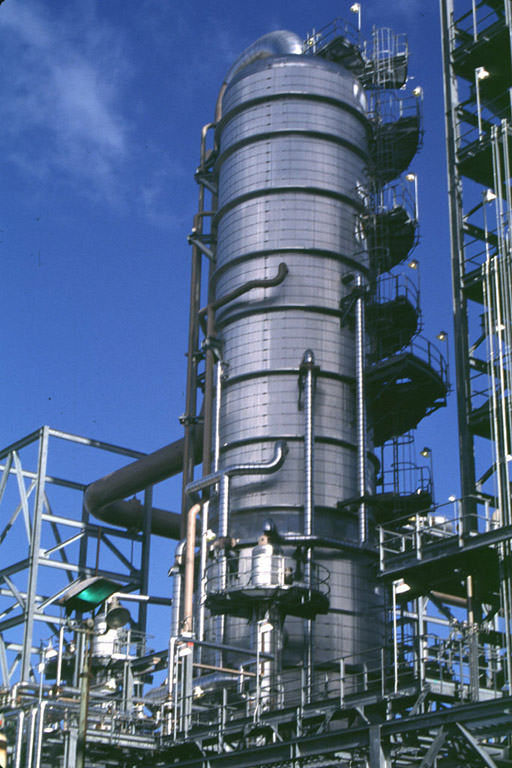
Akwaflow connects product understanding, safe handling, quality assurance, logistics and customer supply into one disciplined workflow that supports safer operations and dependable market delivery.
Petrol, diesel, kerosene, LPG and lubricants cannot be treated as though they behave the same way. Petrol is highly volatile and demands vapour control, ignition prevention and careful transfer. Diesel is less volatile but still requires disciplined containment and contamination control. LPG offers cleaner combustion but demands pressurised storage, leak checks and trained handling. Lubricants need correct viscosity matching, sealed storage and cleanliness to protect machine performance.
The correct storage container, tank design, transfer equipment, ventilation requirement and safety procedure all depend on these underlying product characteristics. That is why Akwaflow designs hydrocarbon operations around actual product behavior, not generic assumptions.
Akwaflow supports the safe and efficient handling, supply and distribution of key hydrocarbon products used across transport, industry, utilities and household markets.
Widely used in cars, generators and small machinery. Petrol offers responsive performance and convenience, but requires careful vapour control and safe storage.
Preferred for heavy-duty vehicles, industrial equipment and generators because of its fuel efficiency, durability and suitability for high-load operations.
Important household and industrial energy products that demand controlled handling, proper containment and trained personnel for safe storage and distribution.
Lubricants reduce friction, manage temperature, protect equipment and improve efficiency when properly selected, stored and delivered for the operating environment.
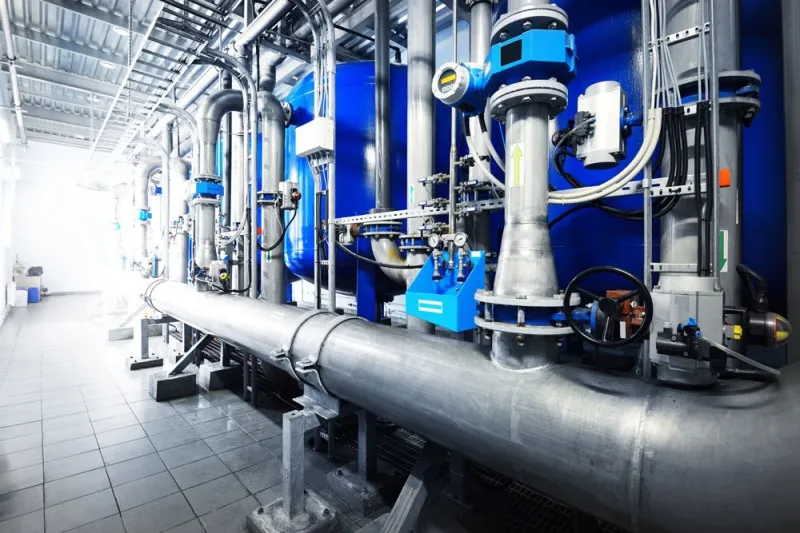
Petroleum products are flammable and can create significant fire, explosion, health and environmental risks if mishandled. Safe operations require approved containers and tanks, proper labeling, ventilation, ignition control, spill prevention and emergency readiness.
Transportation adds another layer of responsibility. Vehicles and delivery systems must be well maintained, fitted with appropriate safety equipment, and operated by trained personnel who understand loading discipline, route risks, spill response and secure product movement.
Product quality directly affects equipment performance, customer satisfaction, emissions and safety. Contaminated or off-spec fuels can reduce efficiency, damage engines, increase maintenance costs and undermine trust in the supply chain.
Akwaflow emphasizes robust quality assurance through disciplined sampling, testing, meter calibration, clean storage, transportation controls and accurate product records. Whether handling crude, refined fuels or lubricants, reliable measurement and traceable quality processes are central to effective sales and distribution.
Hydrocarbon sales depend on more than product availability. Successful supply requires disciplined inventory planning, accurate reconciliation, route coordination, customer communication, transparent pricing and rapid response to demand changes.
Akwaflow applies operational thinking to the commercial side of the business, ensuring that product movement, stock visibility, quality data and customer service work together to support dependable market performance. Digital tools can further improve delivery forecasting, leak detection, fleet utilization and transaction tracking.
In Nigeria and West Africa, where infrastructure limitations and supply disruptions can affect market stability, efficient logistics and trusted quality systems are essential to long-term customer confidence.
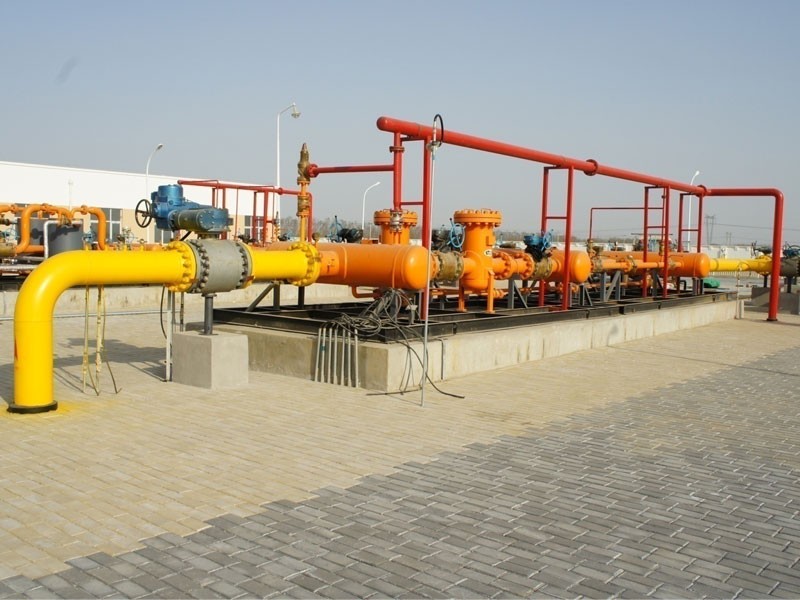

Modern hydrocarbon operations benefit from digital tools that improve visibility and reduce waste. Tank-level sensors, IoT monitoring, GPS fleet tracking and data analytics can support leak detection, inventory optimization, route efficiency and maintenance planning.
Sustainability also matters. Reducing spills, vapour losses, waste oil contamination and inefficient transport practices helps protect communities and the environment. Cleaner fuels, better lubricant management and stronger operational discipline all contribute to lower emissions and more responsible energy distribution.
Akwaflow combines local operational knowledge with sound engineering, safety management and modern control practices to support safer hydrocarbon handling and stronger commercial performance across West Africa.
By grounding hydrocarbon handling and sales in product science, safety systems, quality assurance and logistics discipline, Akwaflow helps clients operate with greater confidence and consistency.
Our hydrocarbon handling and sales solutions support storage, transport, supply and customer-delivery environments where safety, quality control and product availability are essential.
 Retail & Distribution
 Industrial Energy Users
 Storage & Tank Farms
 Logistics & Haulage
Akwaflow provides engineering-led hydrocarbon handling, quality control, storage, logistics and sales support to help clients deliver products safely, efficiently and with confidence.