
Corrosion and integrity loss remain among the most serious threats to pipelines and process systems. Akwaflow helps asset owners identify degradation early, understand its root causes, and implement engineered solutions that preserve asset life, reduce failure risk and maintain safe, reliable operation.
Pipelines and process systems operate in harsh environments shaped by corrosive production fluids, increasing water cut, multiphase flow, solids erosion, pressure cycling, temperature changes and aggressive external exposure from soil, marine and atmospheric conditions.
Over time, these factors can drive wall thinning, leaks and eventual loss of containment. The result is not only equipment degradation, but also unplanned shutdowns, rising maintenance costs, environmental harm and increased safety exposure for operations teams.
For operators, the real challenge is not simply reacting to visible damage. It is building an integrity strategy that identifies threats early, explains why they are occurring and controls them before they evolve into failures.

Akwaflow applies a structured, engineering-led process that connects mechanism identification, risk-based planning, inspection, mitigation and remediation into one practical integrity management framework.
Our work begins with understanding the actual degradation mechanisms affecting the asset. Operating data, fluid chemistry, construction materials and environmental exposure are reviewed to determine whether the dominant threat is internal corrosion, external corrosion, erosion, flow-assisted attack, fatigue interaction or a combination of multiple mechanisms.
This is a critical first step because mitigation is only effective when it matches the real cause of damage. Akwaflow uses this mechanism-based understanding to ensure that inspection priorities, monitoring methods and corrective actions are grounded in technical reality rather than assumption.
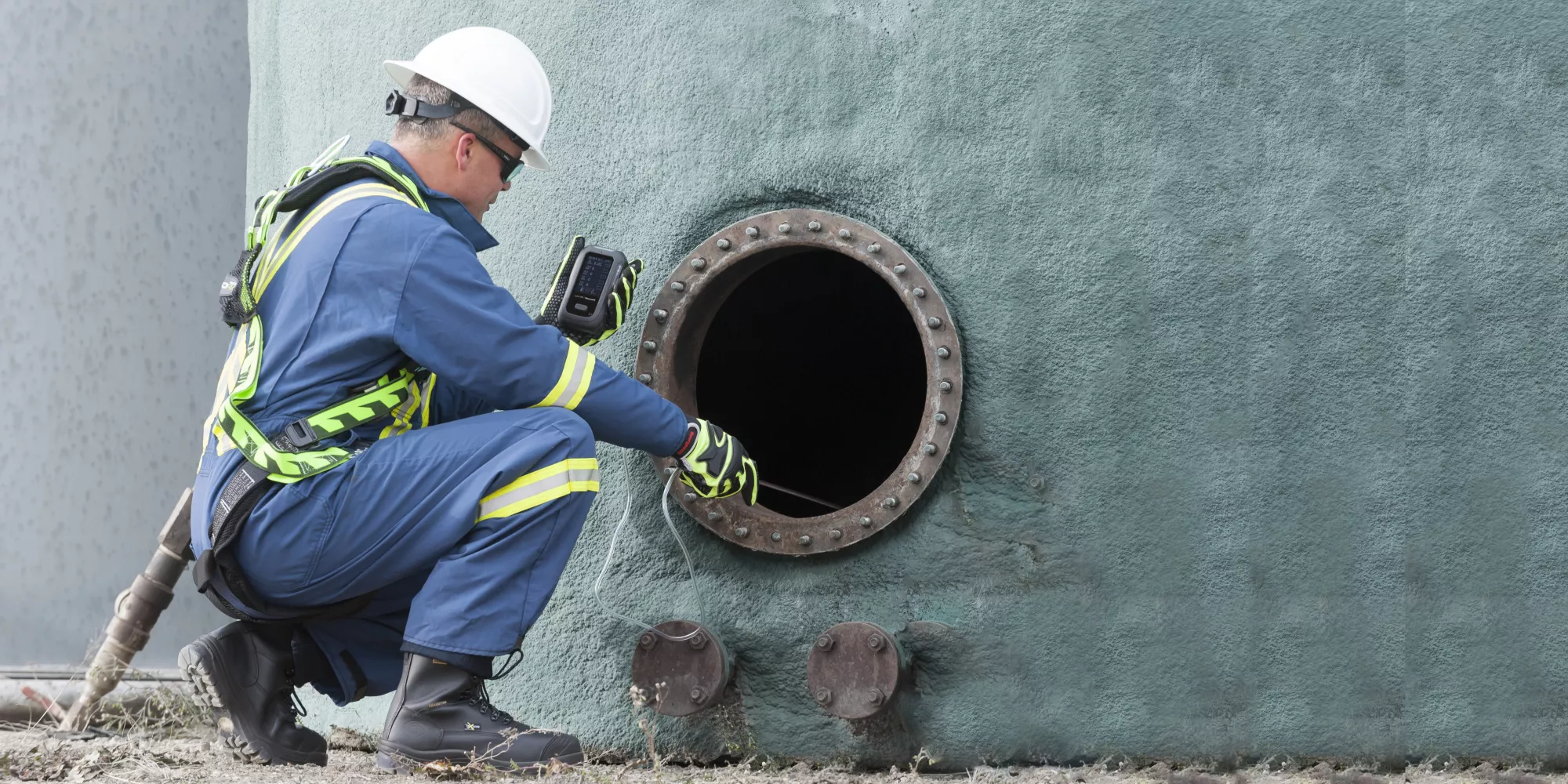
Different operating environments create different damage mechanisms. Akwaflow identifies and manages the threats most relevant to the asset so integrity resources are focused where they deliver the greatest value.
Driven by corrosive production fluids, water cut, multiphase flow, solids and process chemistry that progressively reduce wall thickness and threaten containment.
Caused by aggressive soil, marine and atmospheric exposure, coating breakdown and inadequate cathodic protection performance.
Accelerated wear resulting from solids, turbulence, velocity effects and multiphase flow patterns that remove material from critical sections.
Cyclic loading, thermal expansion, vibration and operating transients can combine with corrosion to weaken pipe systems over time.

Once the relevant mechanisms are understood, Akwaflow prioritises assets according to the likelihood and consequence of failure. This risk-based approach helps clients focus inspection and intervention budgets on the pipelines and systems that matter most to safety, environment and operations.
Inspection and monitoring programmes are then designed using appropriate non-destructive testing and corrosion monitoring methods to establish integrity baselines, track degradation trends and support forward-looking decisions.
Pigging is a critical pipeline integrity service used to clean, inspect, and maintain pipelines without interrupting operations. The process involves inserting a device known as a “pig” into the pipeline, which travels through the line propelled by the product flow. Cleaning pigs remove debris, wax, scale, and liquid buildup, restoring flow efficiency and reducing corrosion risks. Smart pigs are equipped with advanced sensors to detect metal loss, cracks, dents, and other anomalies, providing accurate data for condition assessment and maintenance planning.
Our pigging services enhance pipeline performance, extend asset lifespan, minimize downtime, and support regulatory compliance. From pre-commissioning cleaning to routine maintenance and in-line inspection, we deliver safe, efficient, and reliable pigging solutions tailored to your pipeline system.
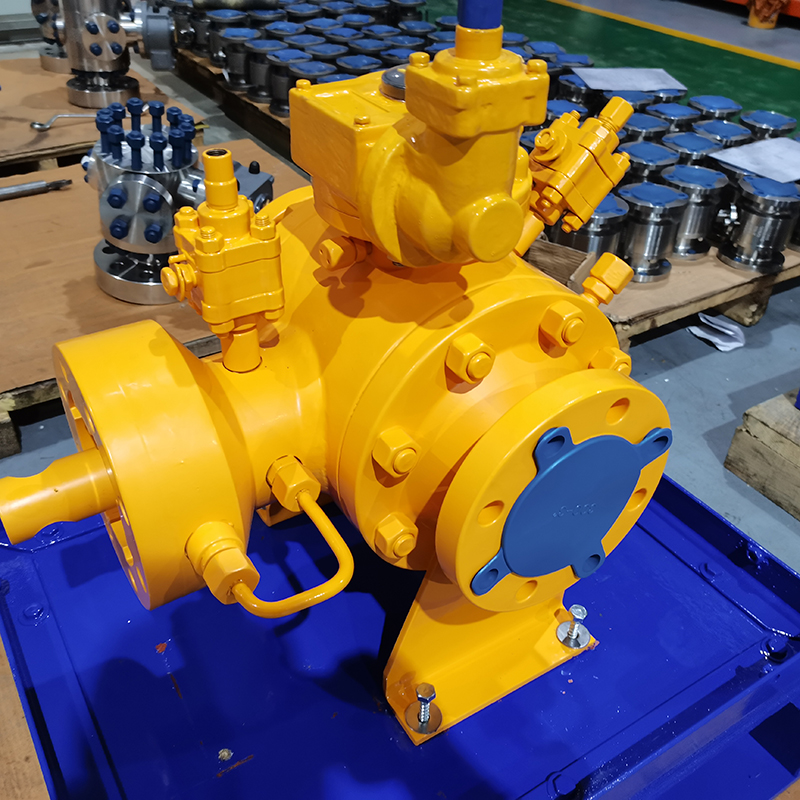
Where degradation is identified, Akwaflow implements engineered mitigation and remediation solutions tailored to operating conditions. These may include corrosion inhibition optimisation, protective coating systems, cathodic protection improvement, materials upgrades and operational adjustments that reduce the drivers of corrosion.
Where necessary, we also support repair, replacement and rehabilitation works to restore system integrity and maintain reliable service. Every intervention is supported by data review, verification and documentation so integrity decisions remain traceable and defensible.
Clients engaging Akwaflow for corrosion control and pipe integrity gain more than inspection data. They gain a practical integrity strategy that improves reliability, reduces uncertainty and supports safer long-term operation.
Our goal is to help operators preserve pipeline life, reduce leak events, lower maintenance disruption and build stronger confidence in the condition and performance of their assets.
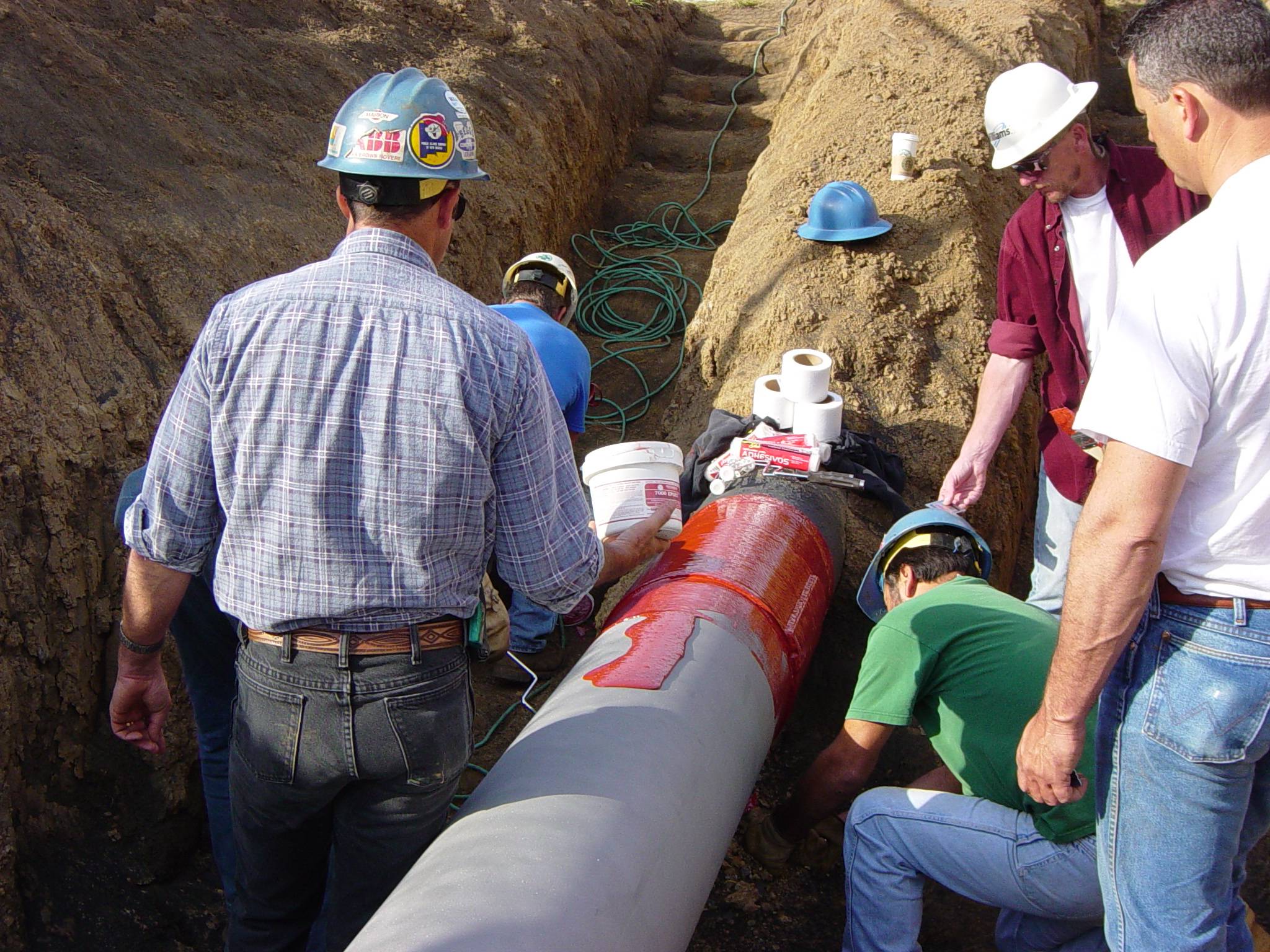
Our corrosion control and pipe integrity services support infrastructure where loss of containment, wall loss, coating failure or unmanaged degradation can directly affect safety, reliability and environmental performance.
 Pipelines & Flowlines
 Process Facilities
 Marine & Coastal Assets
 Energy Infrastructure
Akwaflow provides engineering-led corrosion management, inspection planning and remediation support that helps protect critical infrastructure, reduce failure risk and extend pipeline service life.